Nourishing life across the spectrum.
Personalized dietary strategies for Type 1, Type 2, and Gestational diabetes. Evidence-based advice crafted by clinical dietitians to balance your plate and your glucose.

Carb Counting
Mastering insulin-to-carb ratios for precise bolus dosing at every meal.
Pre-bolusing
The timing of insulin relative to glucose absorption for glycemic stability.
Fiber Impact
Subtracting dietary fiber to calculate net carbohydrates effectively.
Hypo-Safety
Fast-acting glucose strategies to manage exercise-induced drops.
Precision for Type 1
For Type 1 management, nutrition isn't about restriction—it's about calculation. The goal is to match exogenous insulin with carbohydrate intake to mimic a healthy pancreas.
Whole food focus to smooth out post-prandial spikes.
Protein and fat buffering for sustained energy release.
Type 2: Enhancing Sensitivity
Shift the focus from "dieting" to metabolic restoration. Through strategic fiber intake and portion control, we can improve how your body processes its own insulin.
Fiber Prioritization
Aiming for 35g+ of fiber daily slows glucose absorption and promotes satiety, helping naturally manage weight and HbA1c.
The Plate Method
Fill half your plate with non-starchy vegetables, one quarter with lean protein, and one quarter with complex carbohydrates.
Circadian Eating
Eating during daylight hours and avoiding late-night snacks can significantly improve morning fasting glucose levels.
Nurturing two, monitoring one.
Gestational diabetes requires a delicate balance—providing enough energy for your baby's growth while maintaining tight glycemic control for a safe delivery.
Consistent Carb Intake
Spreading carbs throughout the day prevents surges.
Morning Precision
Lowering morning carbs to counter the 'Dawn Phenomenon'.
Magnesium & Lean Protein
Essential nutrients for maternal health and insulin support.
Glycemic Index Reference
Identify which foods impact your blood sugar the most.
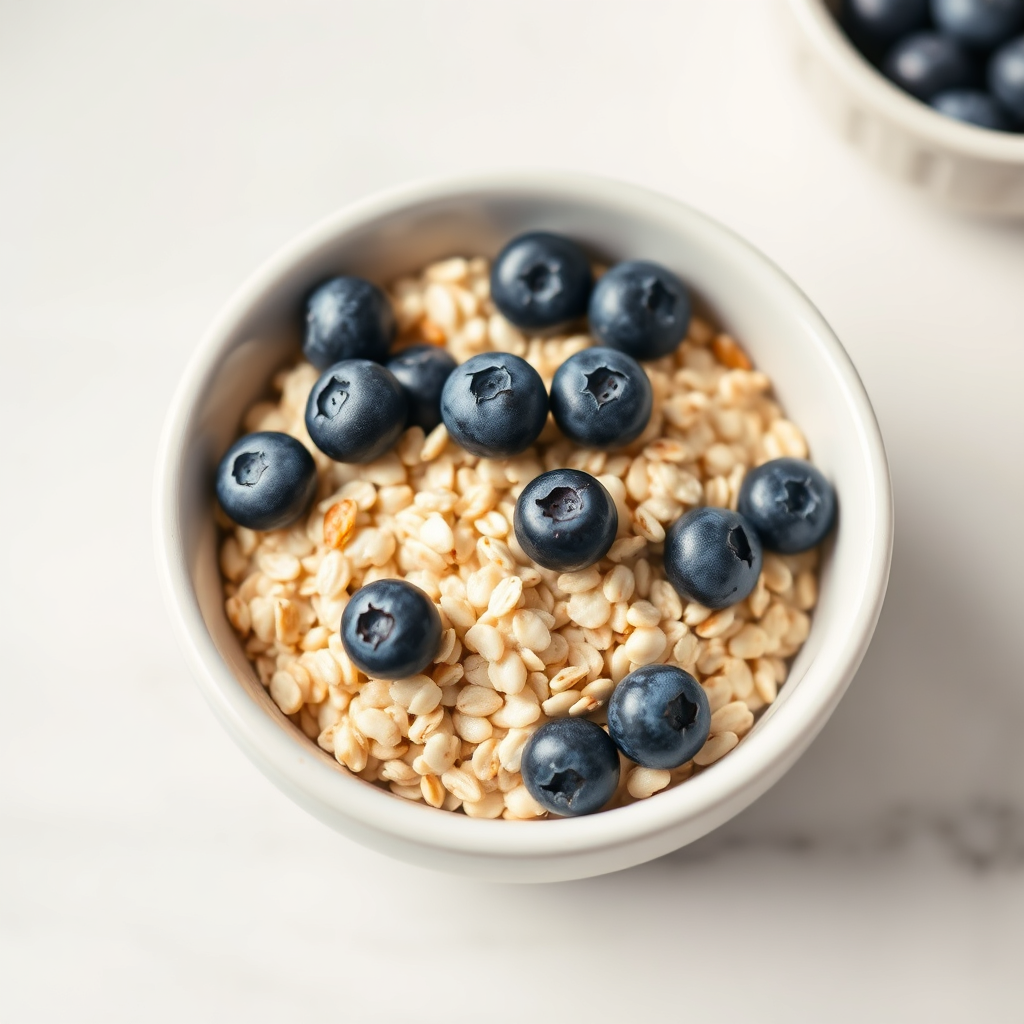 GI: 45 (Low)
Steel Cut Oats
Rich in beta-glucan fiber, providing sustained glucose release.
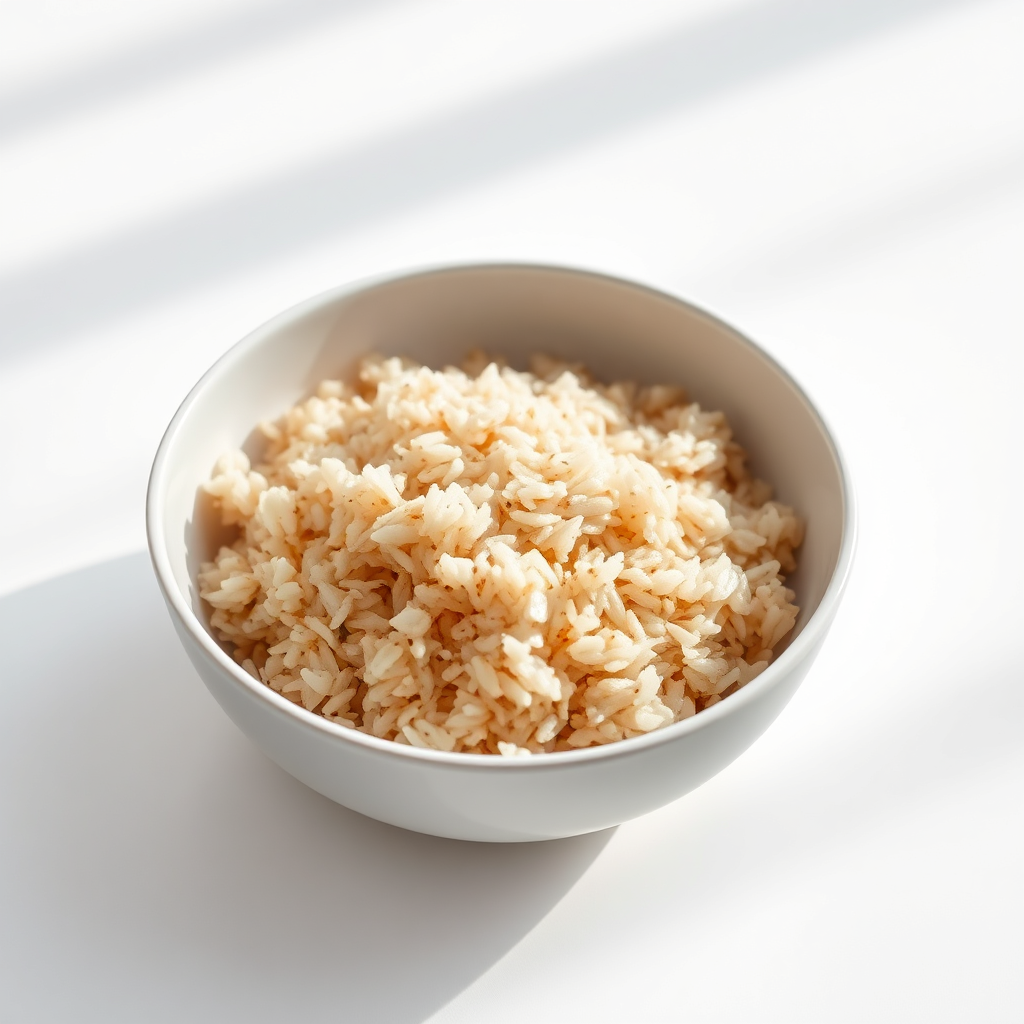 GI: 62 (Medium)
Whole Brown Rice
Moderate impact; pair with protein and healthy fats.
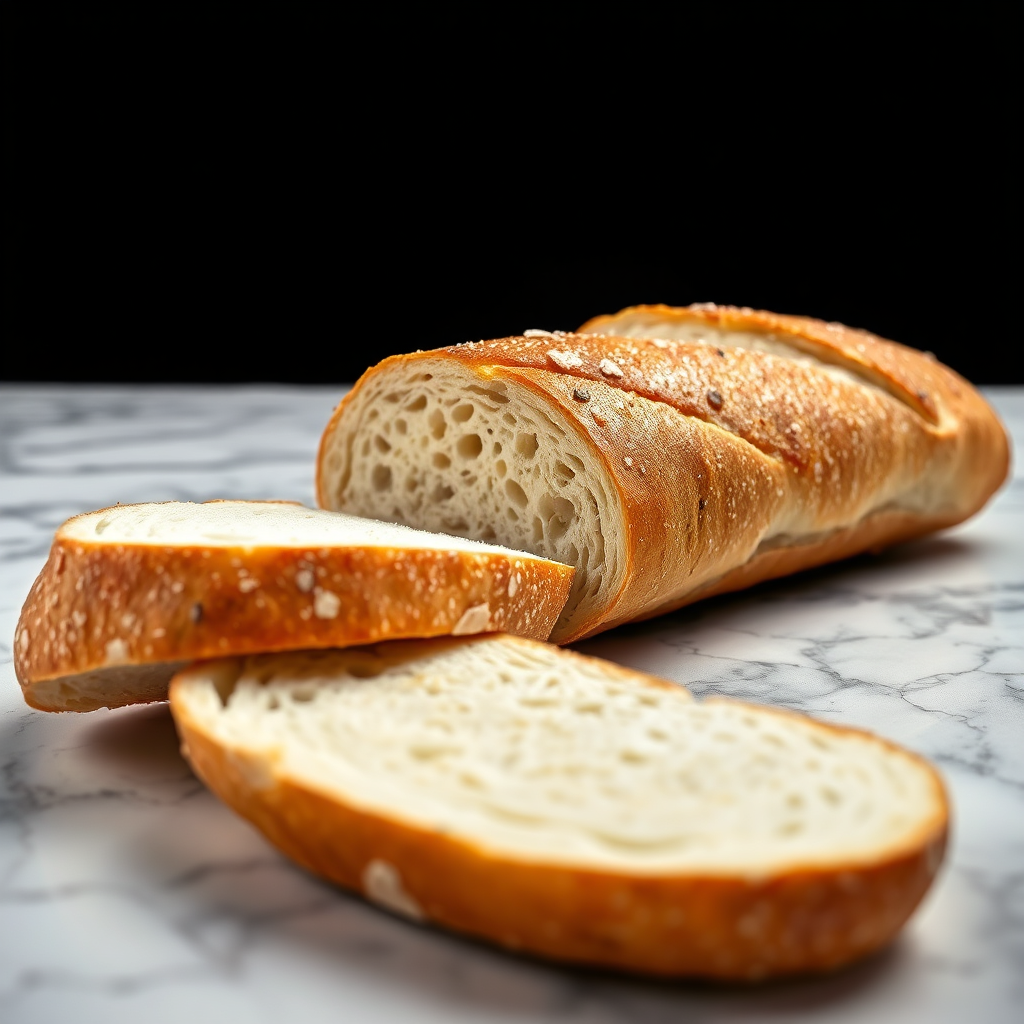 GI: 75+ (High)
White Baguette
Rapidly absorbed starch. Use sparingly or for treating lows.
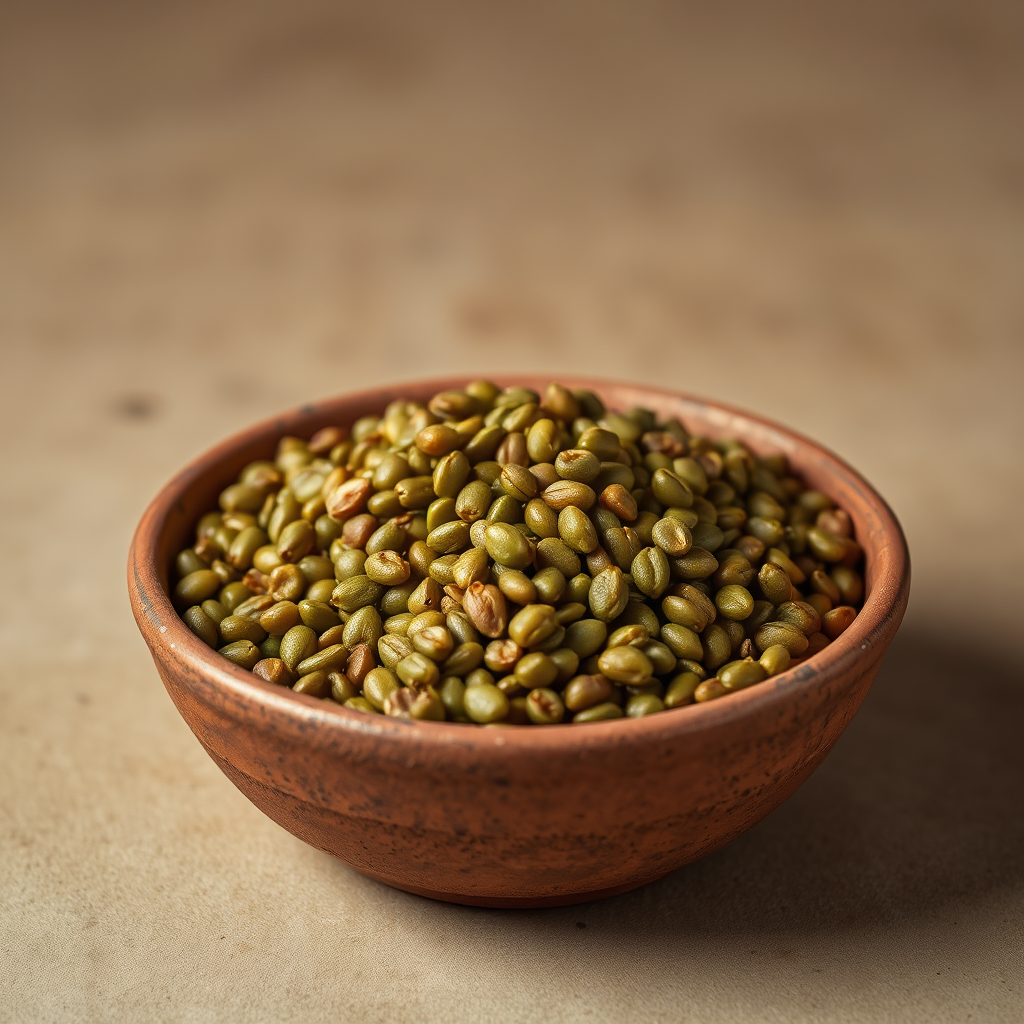 GI: 32 (Low)
Green Lentils
Excellent protein/fiber mix for stable daytime readings.
Daily Menu Blueprint
A clinical sample of a balanced day, ensuring varied nutrient density and minimized glucose variability.


Clinical Perspectives

Dr. Sarah Collins
CDE & Dietitian
"Stop looking at 'sugar-free' labels. Look for whole ingredients. Often, sugar-free products are highly processed and contain hidden starches."

Dr. James Aris
Endocrinology Expert
"The order of eating matters. Starting your meal with fiber and protein before carbs can reduce the glucose spike by up to 30%."

Elena Rodriguez
Nutrition Scientist
"Sweeteners aren't all equal. Stevia and Monk Fruit are excellent, but always test your blood sugar after trying a new 'diabetic-friendly' treat."